Start with the child’s languages, experience and assessment question. Age ranges below describe the tool or study, not a recommendation by age alone. Select two or three records to compare population, sample and accuracy conditions.
No universal ranking. “Not verified” means the accessed sources did not establish the value. Publisher figures, secondary manual reports and independent studies are labeled separately. It does not mean zero accuracy or a poor test. Study accuracy may concern one experimental score, not the entire current test.
Take the comparison into your evaluation.
The updated manual includes PLS-5, Spanish and English CELF editions, BESA, TILLS, CASL-2, speech tools, population cautions, clinical cases, and a fillable evidence note. Cutoff conflicts and missing diagnostic data remain visible. Read the test’s authorized manual before administration.
A norm-referenced score compares performance with a specified reference group. A criterion-based probe checks a defined skill. A language sample shows use in a context. Dynamic assessment examines learning with support. These methods answer related but different questions.
Sensitivity concerns people with the target condition; specificity concerns those without it. Neither is the probability that this child has DLD. Check the cutoff, reference standard, sample and confidence interval. Predictive values also depend on how common the condition is in the assessed population.
Use the worked example in the assessment manual before comparing percentages from unlike studies.
3 / Choose the intervention
Ask what actually improved.
Vocabulary, retell structure, complex syntax and speech do not share one “best” treatment. Match the studied population and outcome to the child’s goal. Distinguish trained-item gains, generalized change, maintenance and cross-language transfer.
Evidence directness and limitations appear beside each study in the intervention guide.
4 / Make the language plan
An English-led session needs a wider plan.
An English-speaking SLP can lead English activities and coordinate Spanish service access through qualified bilingual support or a trained interpreter. Family practice connects learning to routines. It does not replace Spanish clinical services that the child needs.
Ask about family words, priorities and communication modes before choosing targets.
From research result to clinical action.
Direct bilingual studies, indirect dosage evidence, sample characteristics, outcome limits, model scripts, monitoring decisions and a family practice template.
A quick manual for assessments, therapy, and family conversations. Start with the one-page checklist, then open the speech or language case you need.
BEFOREAgree on the task.
Confirm languages, dialects, access needs, roles, permitted prompts, and the pause signal.
DURINGKeep the evidence clear.
Speak directly to the family. Preserve the child’s response separately from interpreted meaning. Make clarifications visible.
AFTERLeave with one shared action.
Check understanding, debrief uncertainties, document changes, and agree on the next step.
Working with Interpreters
Six concise pages: a desk checklist, a conversation diagram, briefing scripts, speech and language cases, natural Spanish family questions, and a fillable visit record. Dialect examples invite the family’s own usage without assuming that nationality predicts language or communication preferences.
Based on ASHA, NCIHC, AHRQ, and multilingual speech-assessment guidance. Original practice aids, not interpreter certification or a validated clinical protocol.
The therapy workshop
Stories to share. Games to play.
Each original kit contains directions, actual session materials, a learning record and Spanish home practice. Suggested ages describe task fit, not norms. These evidence-informed activities have not been tested as treatment packages.
English-led · roughly ages 6–8
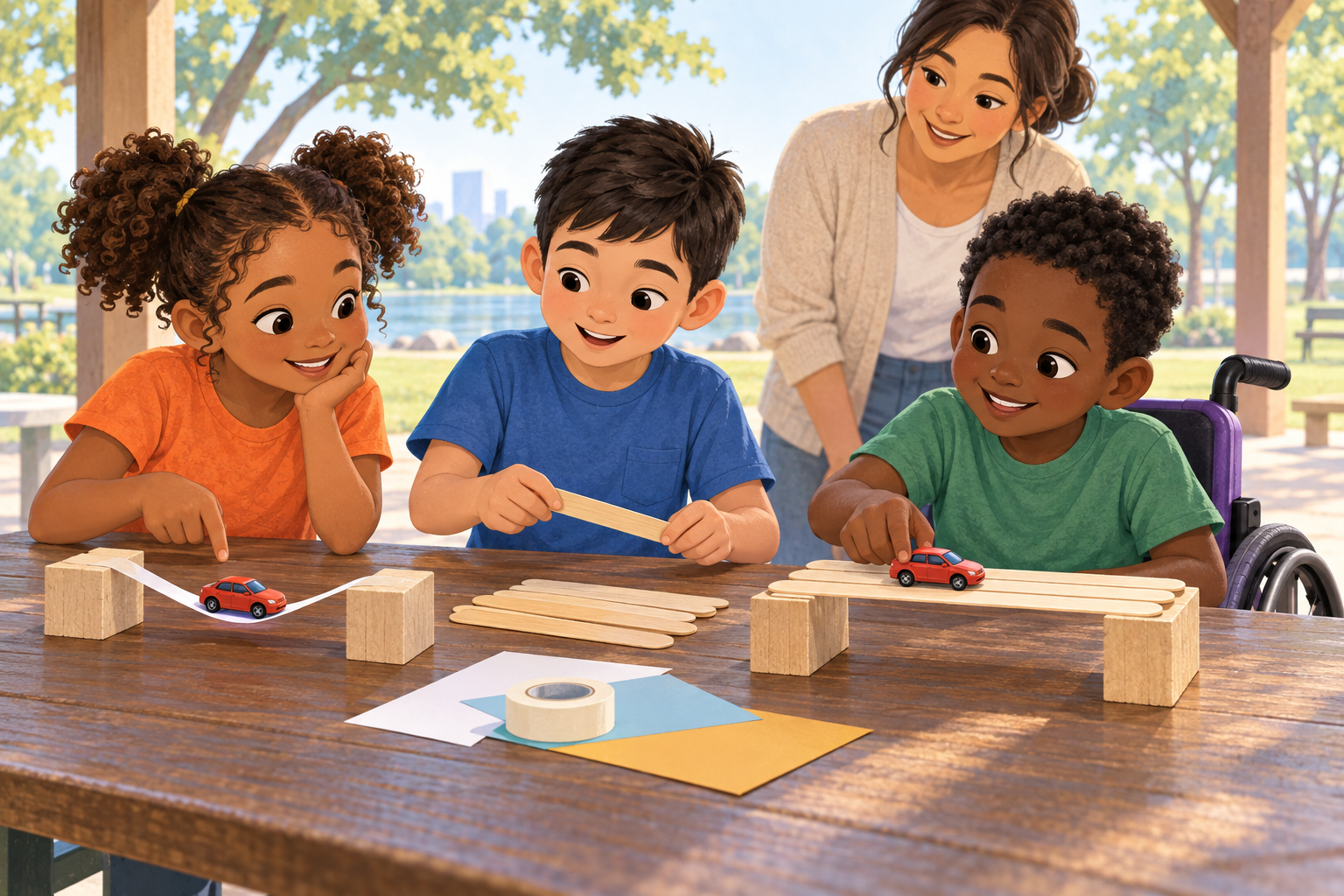
The Bridge Repair Crew
Teach sturdy, fragile and repair through a story and a cooperative building challenge.
There is no established universal “36+ exposures” prescription for every bilingual child with DLD. The studies differ in population, targets, teaching procedures and dose. Use the kit’s model and retrieval records, then check independent learning at a later visit.
The kit schedules are practical starting plans, not a replication of a published intervention.
Send only the family page.
No need to send the clinician manual home. Each Spanish page stands alone and uses ordinary materials and flexible routines.
Sources include primary studies, publisher documents, explicitly labeled secondary manual reviews, ASHA guidance, and relevant methodological resources. The comparison reports what could be verified in accessible sources; it is not a systematic review of every test. Full diagnostic tables may require licensed manuals. Bilinguistics and LEADERSproject materials can support learning, but an adaptation does not inherit another task’s norms or diagnostic accuracy.
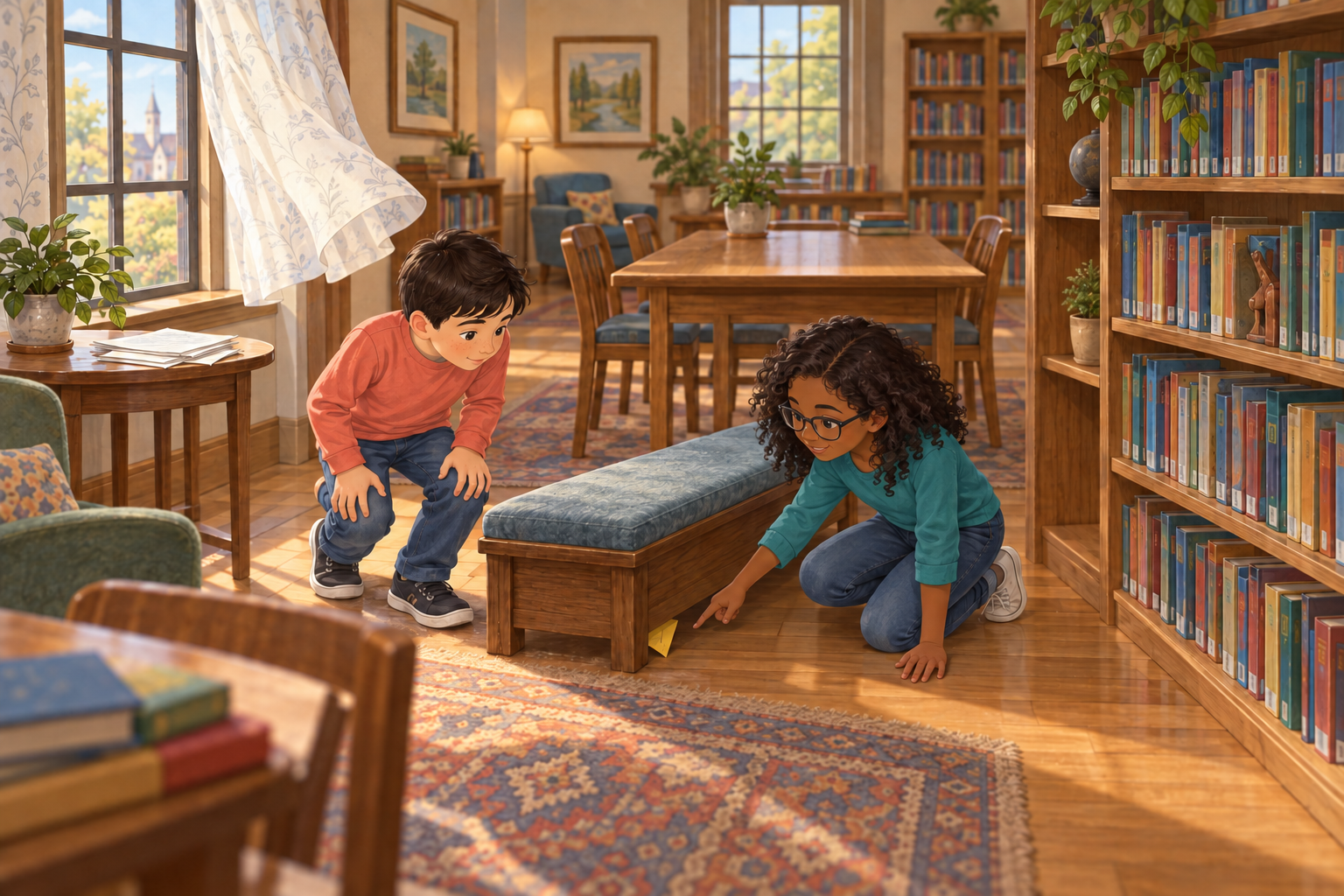
Original materials: stories, games and pictograms were created for this library. Story illustrations were AI generated and editorially checked against the activities.
Representation: appearance does not imply nationality, dialect, diagnosis or family structure. Invite the family’s own words and routines.
Before public release: independent bilingual SLP review, a small clinician usability tryout, and community review of Spanish and accessibility remain recommended. Editorial and source checks do not establish clinical validation.
Privacy: this static comparison does not request child data. It does not save selections or send entered search text to a server.