Bilingualism + biliteracy
How Spanish–English children build vocabulary, language, and literacy across home, school, and clinical settings.
Welcome to our BEAR Lab
We work with children, families, professionals, educators, researchers, students, and community partners to support Spanish–English bilingualism, biliteracy, and biculturalism.
Our research brings together technology and AI, assessment and intervention, family and professional learning, and equitable access.
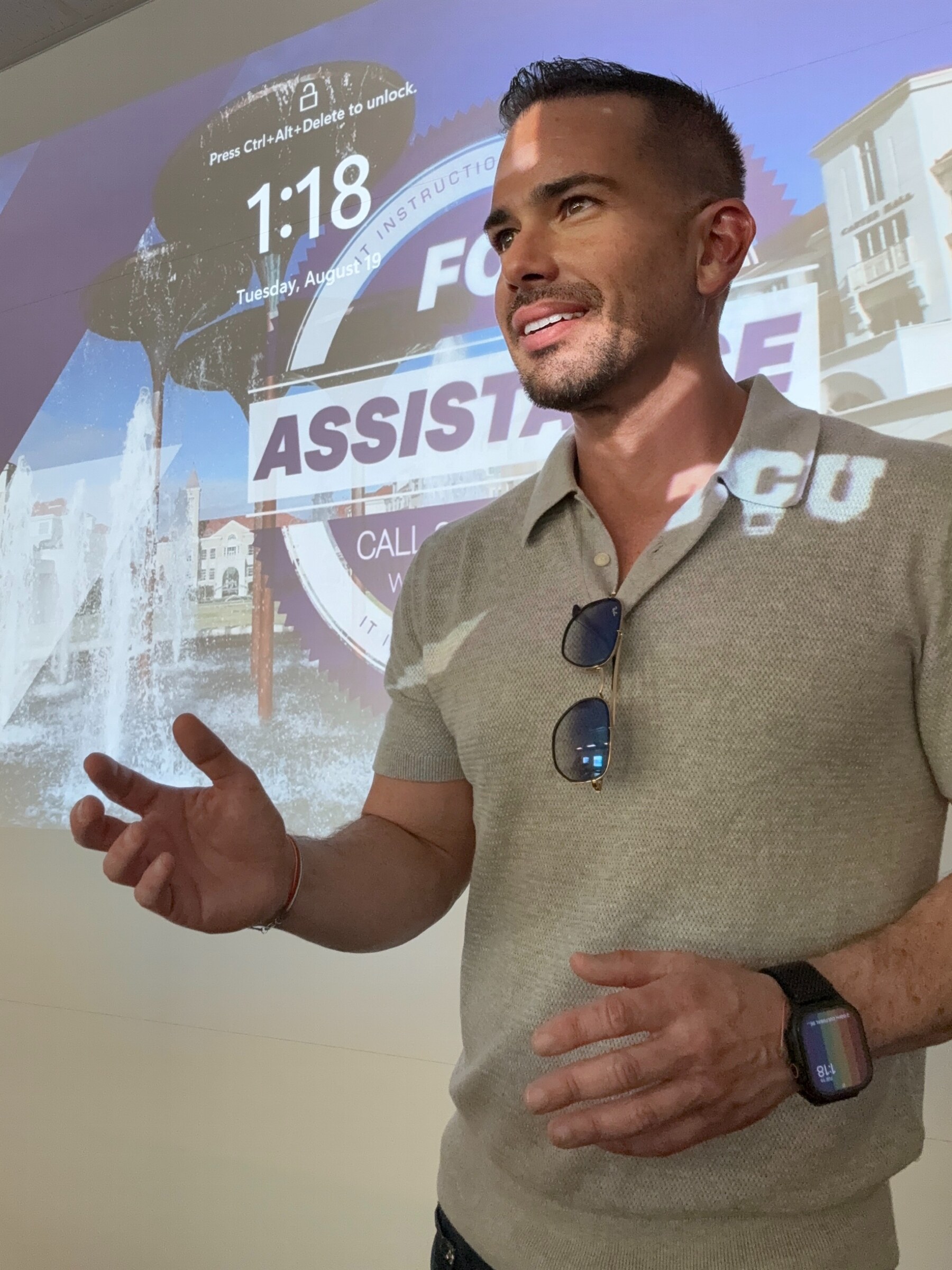
Together, we are the BEAR Lab.
Research shaped by community
The BEAR Lab is a community, not just a place.
Students, families, professionals, educators, researchers, and school and community partners help shape the questions we ask and the work we build. We want research to be understandable, usable, and responsive to the people it is meant to serve.
What we study
We study how research, technology, and partnership can support Spanish–English emergent bilingual children and the people around them.
How Spanish–English children build vocabulary, language, and literacy across home, school, and clinical settings.
How digital tools can widen access to bilingual learning while keeping people and relationships at the center.
Culturally and linguistically responsive approaches for bilingual children with and without language disorders.
Practical training and resources for the adults who support children every day.
How training programs and professional systems can reduce bias and create more responsive services.
Featured project
Supporting the way bilingual children communicate everyday.
CABVI uses technology to bring Spanish and English vocabulary support into early learning, including settings where the clinician does not speak Spanish.
Visit CABVI.studyResearch in action
Follow the questions, decisions, people, and ideas that make research happen.
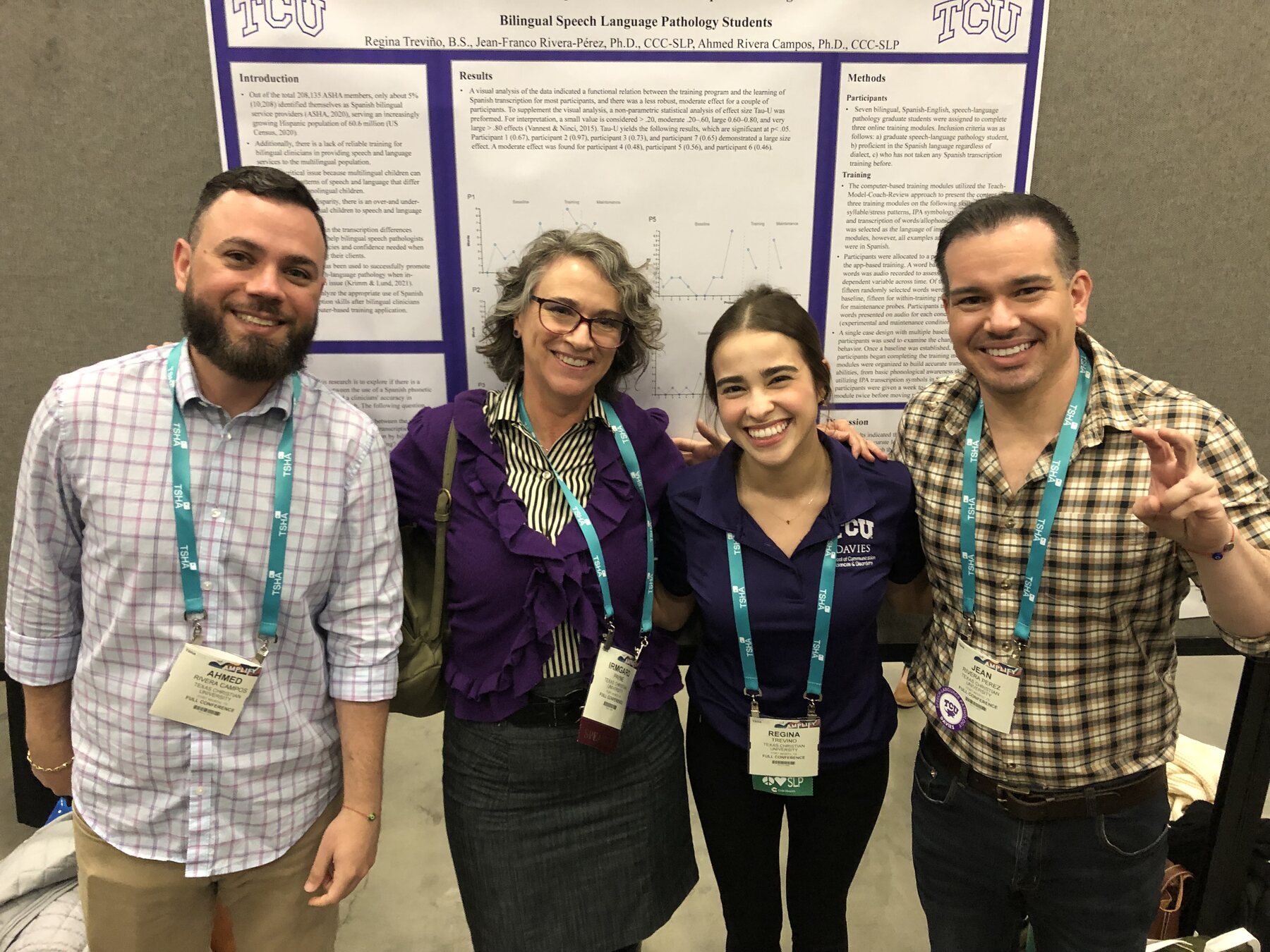
Meet our people.
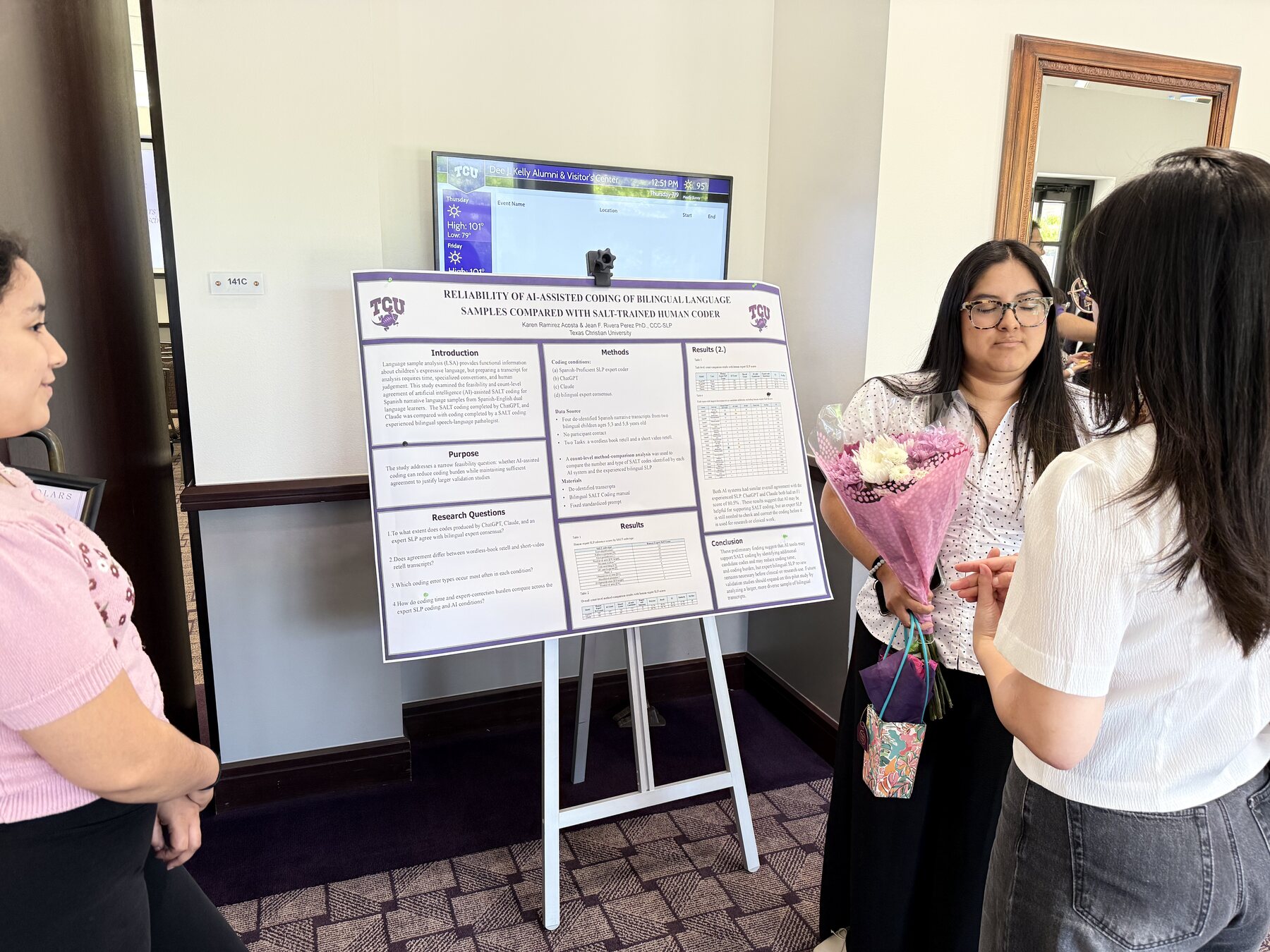
See research taking shape.
Share questions that matter.
Find ideas you can use.
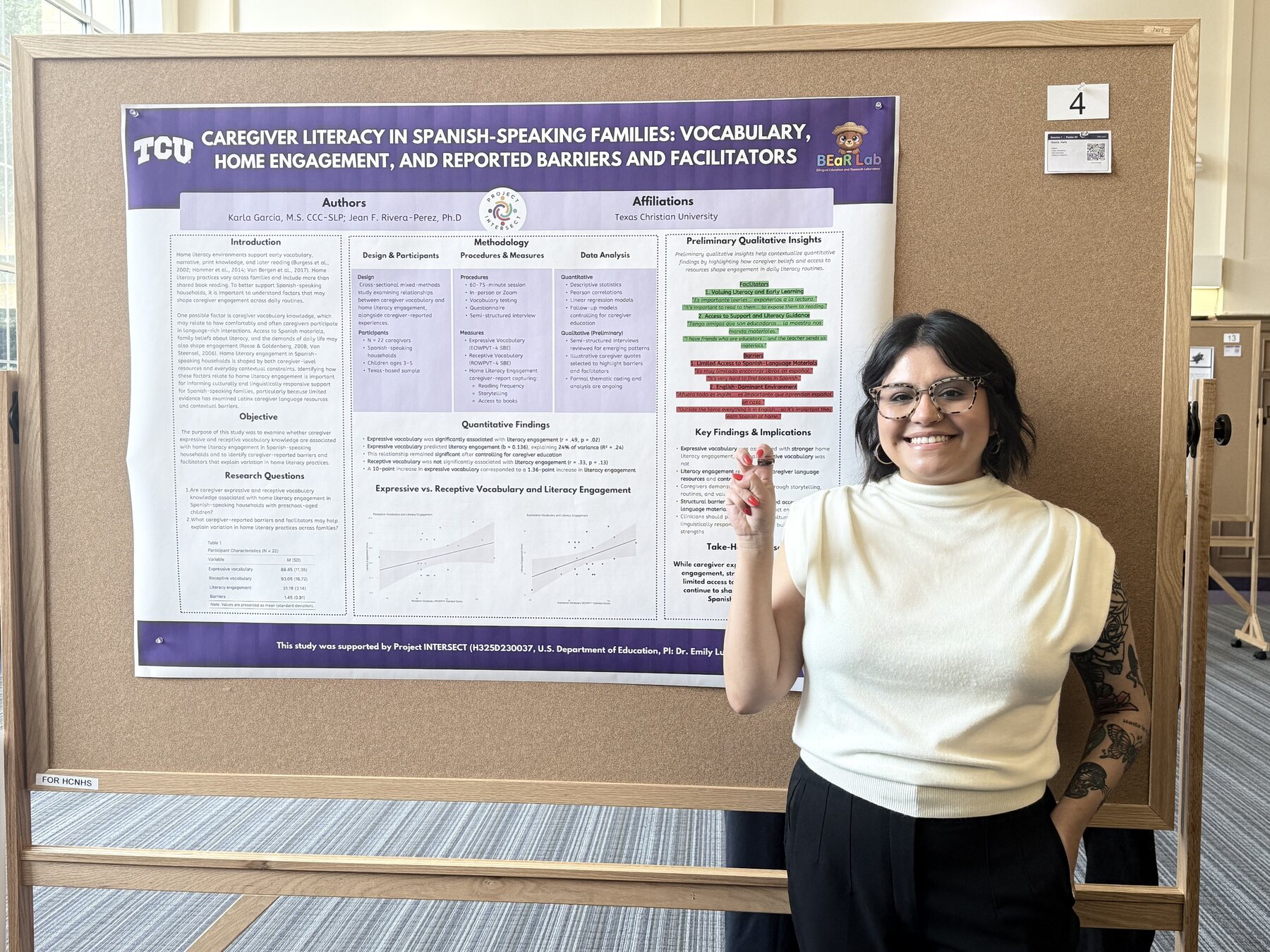
Meet the director
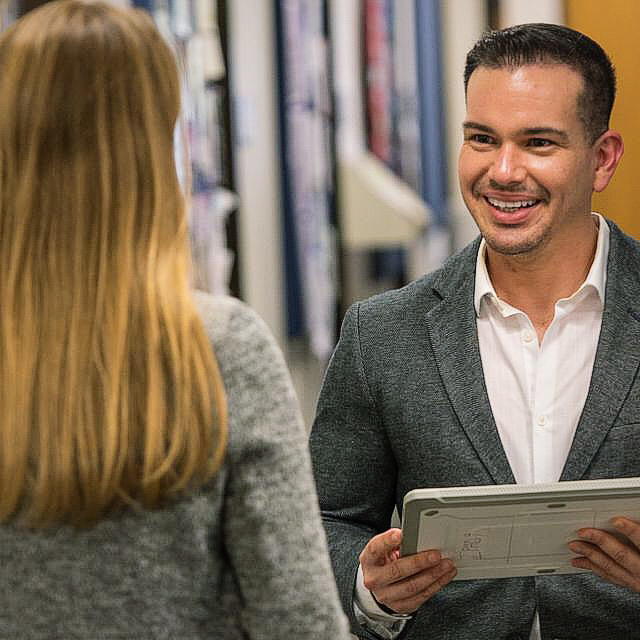
Jean Franco Rivera Pérez, PhD, CCC-SLP (he/él)
Dr. Rivera Pérez works alongside the BEAR Lab community to develop and study culturally and linguistically responsive approaches for Spanish–English children and their families.
His work includes technology and AI, bilingual intervention, biliteracy, equitable assessment, professional learning, and transformative access in speech-language and hearing sciences.
Currently an Associate Professor at Texas Christian University. His research has received support from the National Institutes of Health.
People and partnerships
The BEAR Lab grows through people who bring research, practice, family, student, school, and community perspectives.
Works alongside the BEAR Lab community as the lab director and a bilingual speech-language pathologist and researcher.
Bring questions and insight from the everyday work of supporting bilingual children and families.
Help keep family priorities, lived experience, and useful outcomes at the center of the work.
Develop research questions, methods, and scholarship connected to bilingual language and access.
Connect research learning with clinical practice, schools, and community priorities.
Contribute to lab projects while building early experience with community-engaged research.
Shape practical partnerships that connect research with real learning environments.
Publications
Explore peer-reviewed research on bilingual vocabulary, intervention, family learning, technology, second-language acquisition, and equity in the professions.
Connect with the BEAR Lab
Families, professionals, educators, researchers, students, and community partners: follow the work, share a question, or explore a collaboration.